With its many intertwining rivers and wide flood plains, Bangladesh has been ranked seventh in a list of the countries most vulnerable to the climate crisis. This is despite the fact that the country produces just 0.56% of the world’s harmful emissions.
On the southern coastal belt, ever more frequent cyclones and tidal surges threaten the lives and livelihoods of thousands of families who rely on farming to feed themselves and make a living.
But with our local partners, we are helping families find new ways to make a living, even in the harshest conditions.
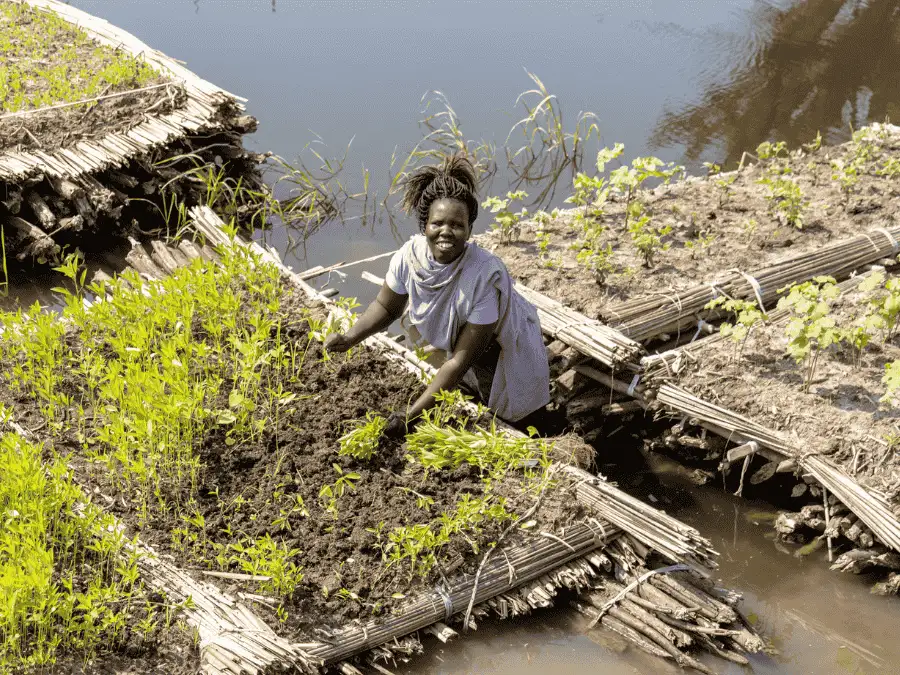
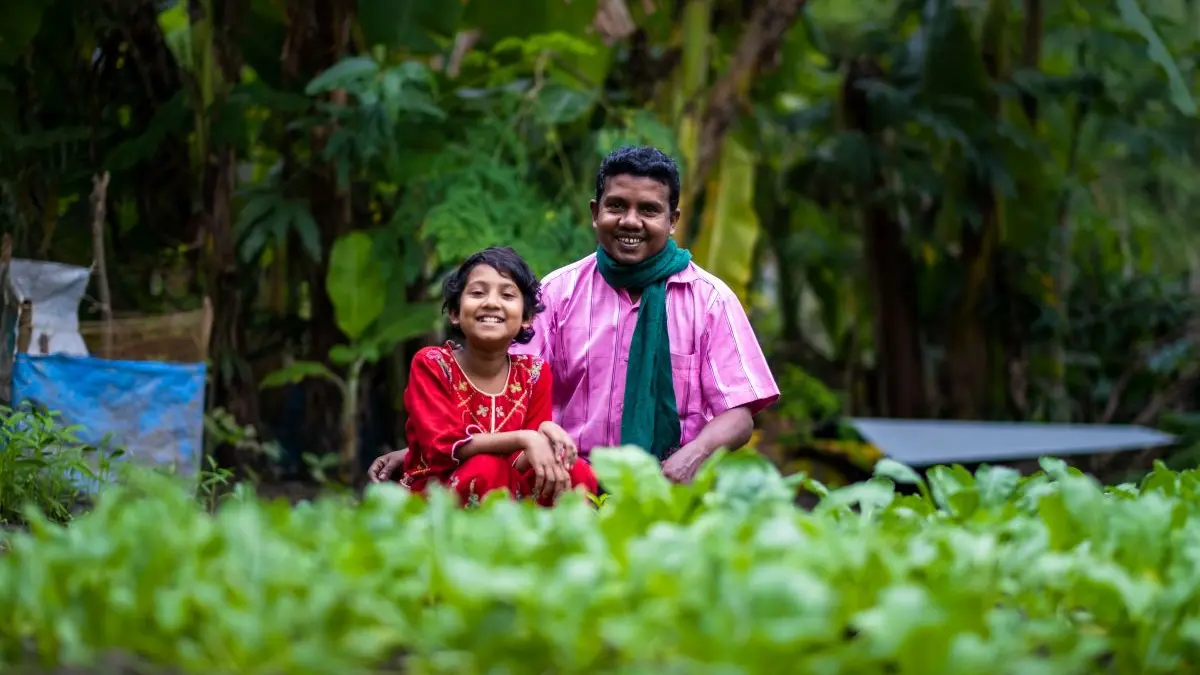
By growing organic on the roofs of houses, on trellises above ground, and on floating vegetable gardens on flooded or waterlogged land, farmers have more space to grow the food they need.
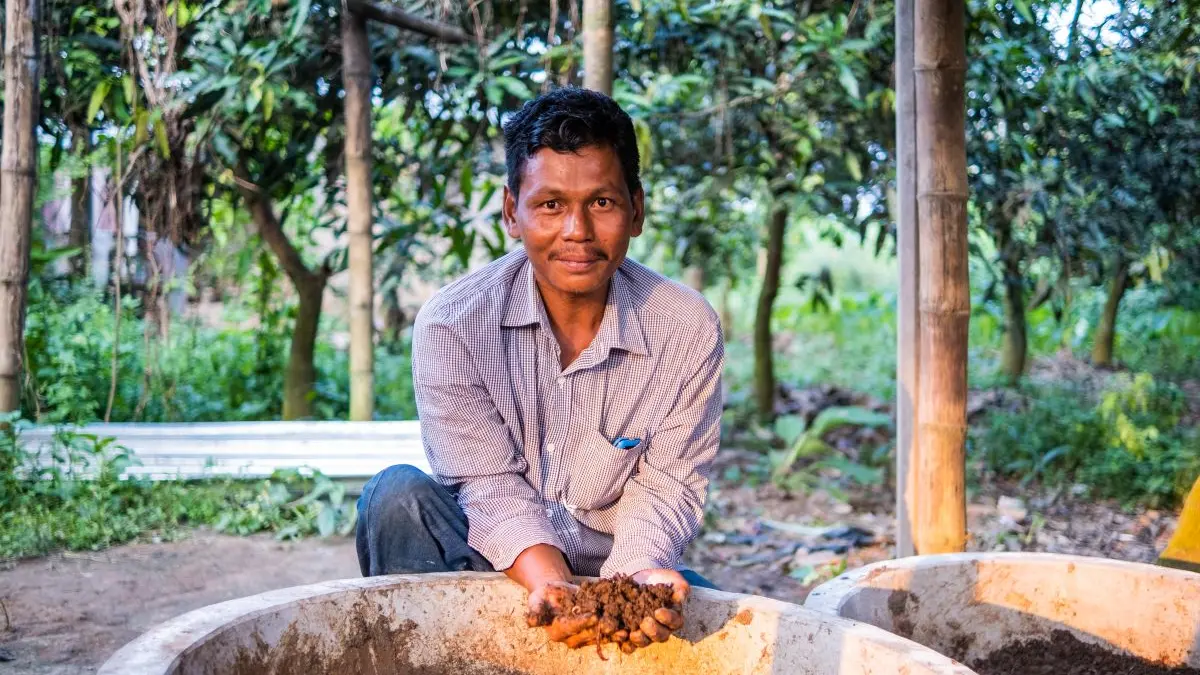
Many families have begun using earthworms to create an organic compost to grow vegetables without the need for expensive and environmentally damaging chemical fertiliser. The compost can even be sold to large-scale farmers for extra income.
And all of these techniques help regenerate and protect the environment, and give families ways to cope with the worst effects of the climate crisis.
In the Patuakhali district alone we have helped to support more than 14,000 people, the majority of whom are women, landless families or people living with disabilities.