



Campaigning news
09
Nov
2026
05
Oct
2026


Slide 1 of 10


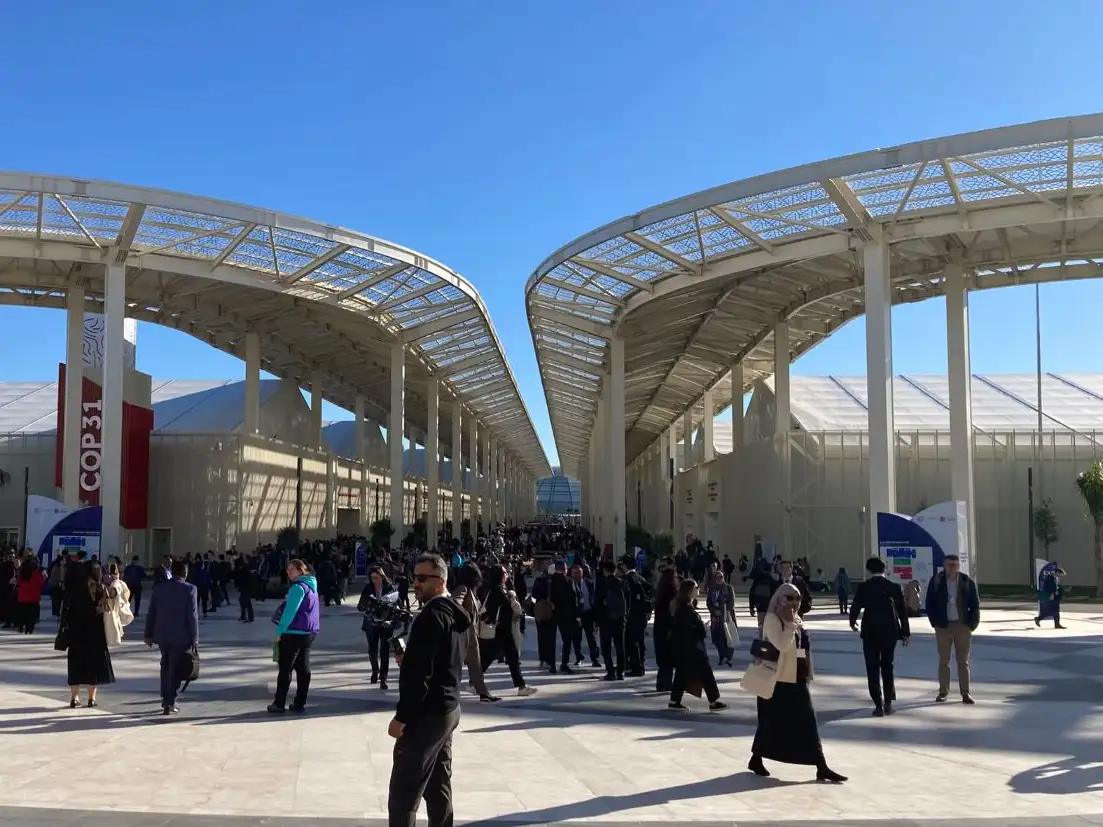
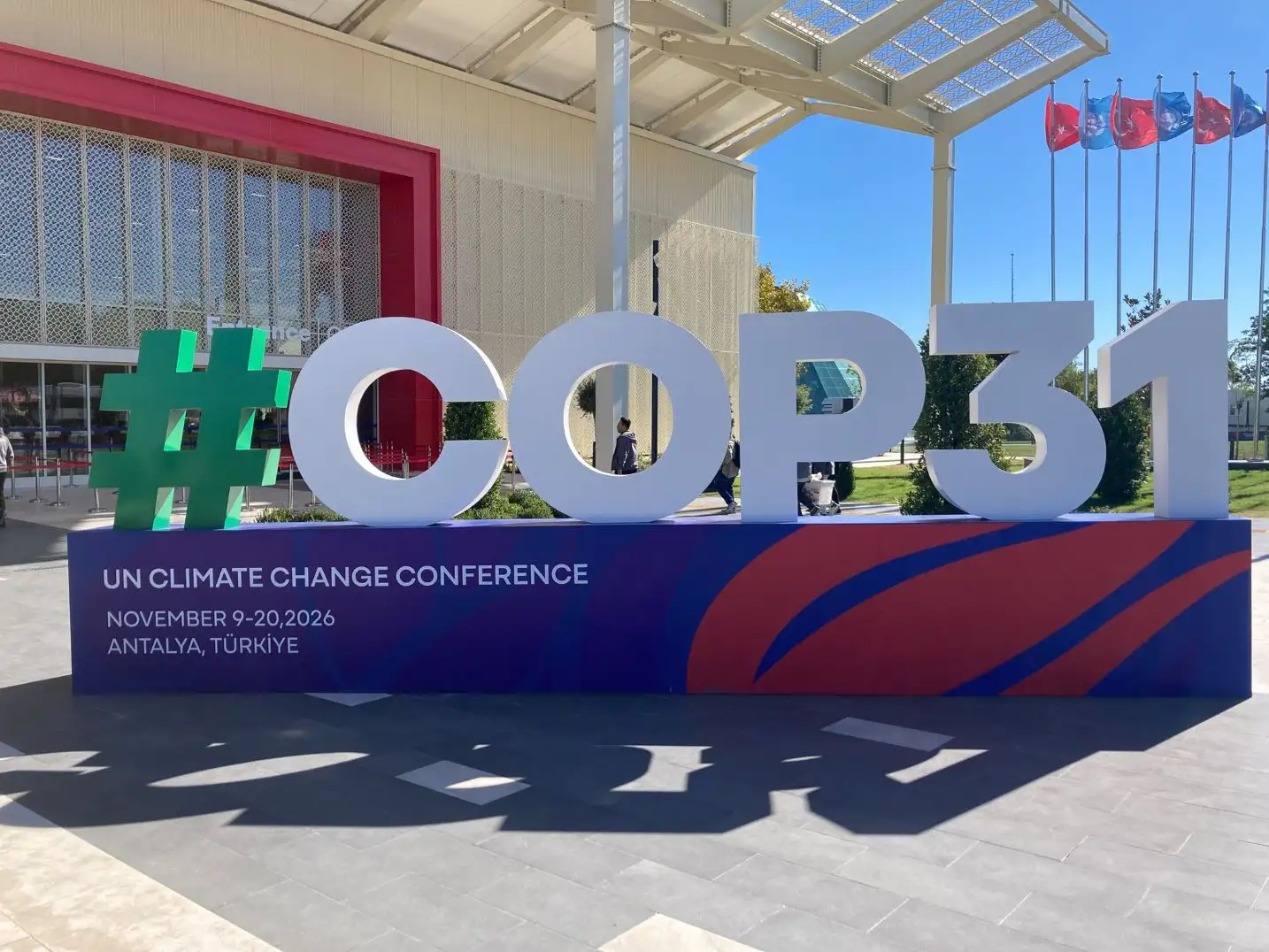
COP31 is taking place in Türkiye
As we approach the halfway point of COP31, CAFOD’s Director of Advocacy has provided an update on what is happening at the conference.
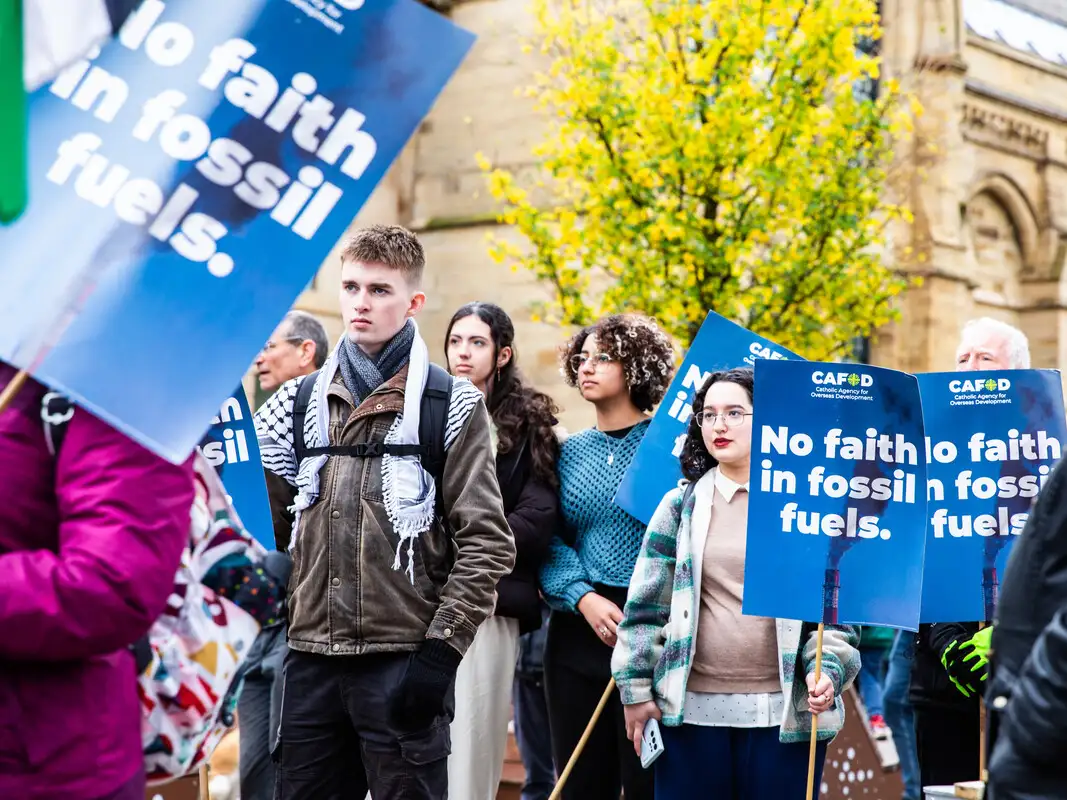
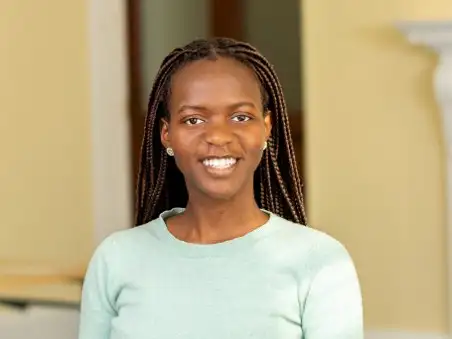
Neil Thorns is at the conference in Türkiye and is keeping CAFOD supporters informed about how the crucial climate talks are going.
“The Prime Minister made his speech this morning (Thursday)," Neil says. "He’s the only leader of a developed economy to be here and he pledged British leadership on the climate issue. It was good to also hear him talk about his priorities for the UK hosting the G20 group of countries in 2027, including action on the debt crisis, which is so linked to climate.
"I'm listening in to a session on climate finance at the moment and almost all lower income countries mention the issue of debt. The UK being ambitious on this would make a big difference.
"It’s still a bit early to say how things are going, as it always heats up towards end of the first week as the ministers all arrive next week.”
“In most of the meeting rooms here when the issue of finance comes up," Neil says, "in the same breath people will talk about the debt crisis and the fact that countries in the Global South are paying more on their debt servicing than they are paying on their education, health or response to the climate crisis. And when climate disasters hit, it’s poor communities who pay the price, while the private banks in the UK are still getting their money in debt repayments.”

Would you like to know how decisions at this year's United Nations climate talks will affect the fight for climate justice? Listen back to our webinar, which was held live from Türkiye near the start of the conference, as CAFOD Advocacy Director Neil Thorns shares insights from the COP31 climate talks.
We explored the main issues on the table, discussed the level of priority the UK government is giving to climate action with the Prime Minister present, and looked at the Holy See’s vital role in championing the world’s most vulnerable communities.
Neil describes COP31 as an 'implementation COP’, explaining that governments present their climate action plans as a first stage, but the implementation of those plans is what really matters.
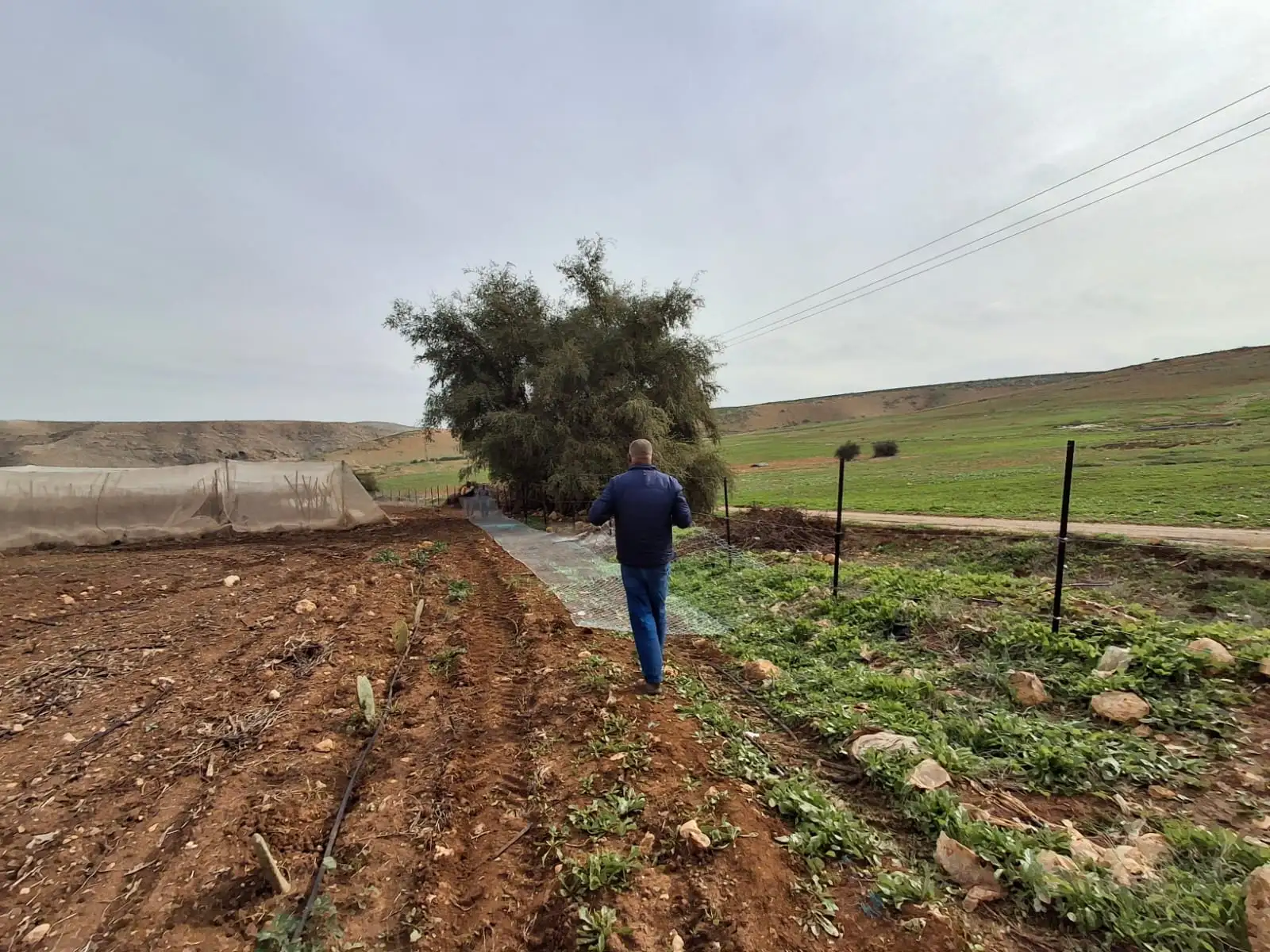
As the impacts of climate change increase, the importance of increasing action on adaptation and resilience - an issue that has received less attention and far too little climate finance - has been driven up the agenda.
As we watch the rest of the conference unfold between now and its close on Friday 20 November, there is little doubt that it won’t achieve everything those of us campaigning on climate would like.
But as Neil reminds us, this COP process has achieved a lot so far:
“We really have to keep in mind that if there wasn’t a COP process our planet would be in a far worse situation. It’s not as ambitious as it should be, but it moves the world forward.
"Without the Paris Agreement we’d be at four degrees. COPs have been one of several factors that have driven increased global investment in renewable energy, now nearly double that of fossil fuels. The world coming together through the COP process and agreeing a framework has really made a difference.”