Before the droughts families had enough livestock to provide milk for children and food for the household. Children drank milk daily and could attend school regularly. Rainfall was predictable, with clear wet and dry seasons.
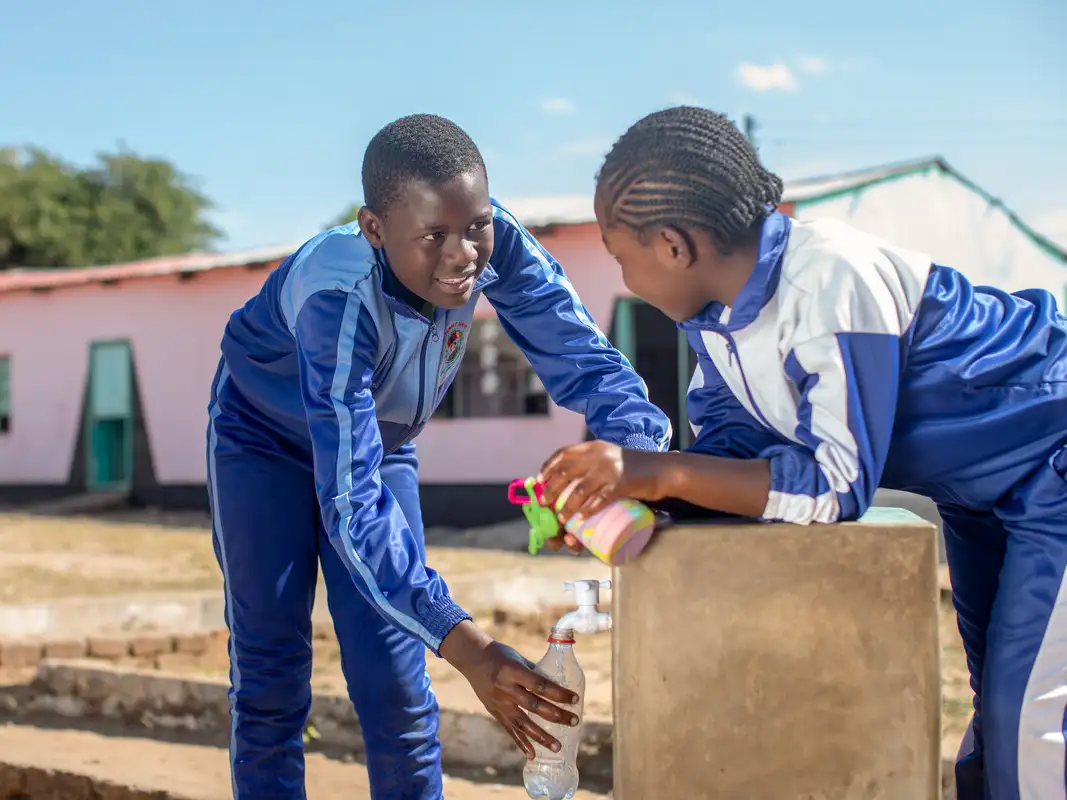
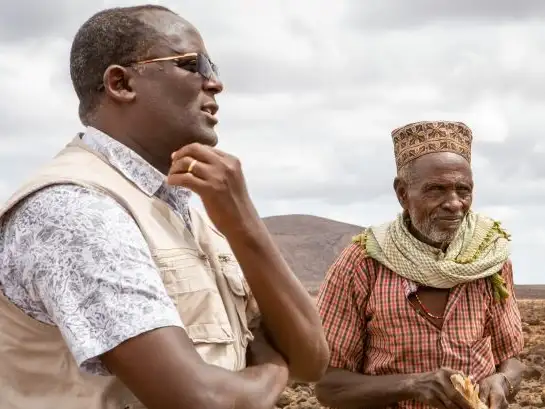
Now drought has killed livestock, leaving families without food or income. Children miss out on milk and are often withdrawn from school to fetch water. Women and girls, in particular, often walk hours each day to find water, leaving little time for education or earning a livelihood. The climate crisis has made droughts more frequent and severe and rains are unpredictable, with long dry seasons that stretch on for months.
But Waré did not give up. Through the CAFOD-supported project, she worked with her neighbours to build an underground water tank near her village.
Waré helped dig the earth, carried wood for fencing and gave her time alongside her community. Once filled by the rains, the tank will provide a safe, nearby water source and allow emergency deliveries to be stored locally.
It will mean no more exhausting daily treks up the mountains, and it will help keep children in school instead of on the road fetching water.
Waré is also part of rangeland rehabilitation, helping restore degraded land so that grass can grow again for livestock. She has joined a savings group with other women, building resilience for the future.
Most of all, she dreams of sending all her children back to school.