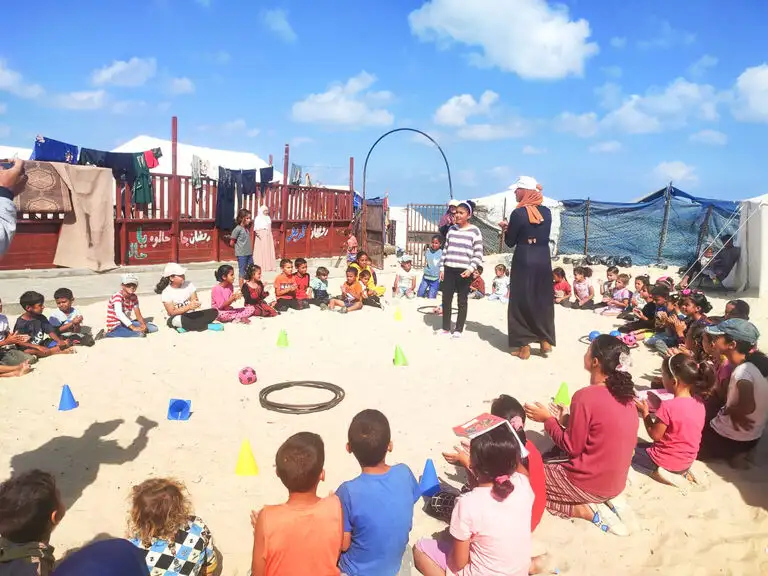
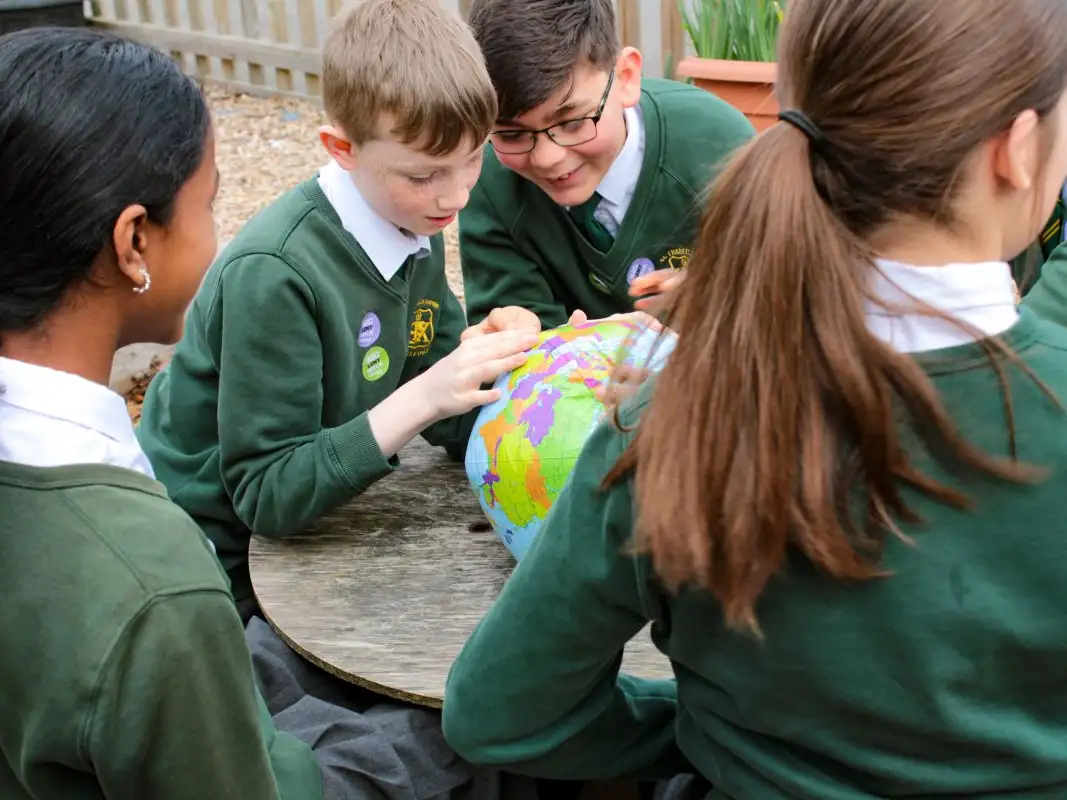
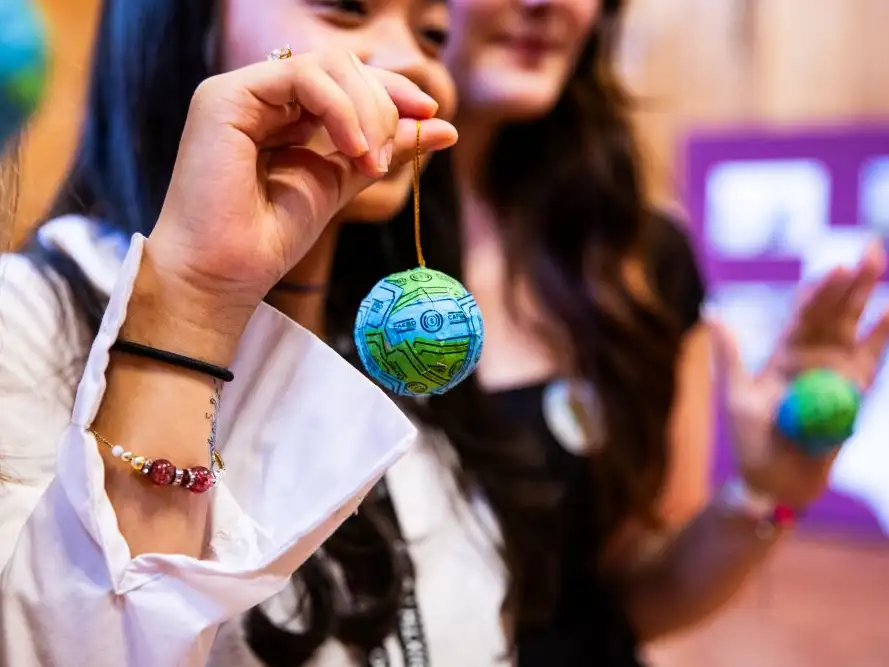
Children's play and learning activities in Gaza. Credit: CFTA
We work across the Middle East with people of all ethnicities and faiths to protect human rights and build peaceful communities.
The Middle East is embraced as the home to faith traditions by over half the world's population. Yet it faces many complex challenges. Multiple crises and long-term conflict sadly affect people’s jobs, worsen poverty, and deepen inequalities such as those between women and men – all amplified by the climate crisis.
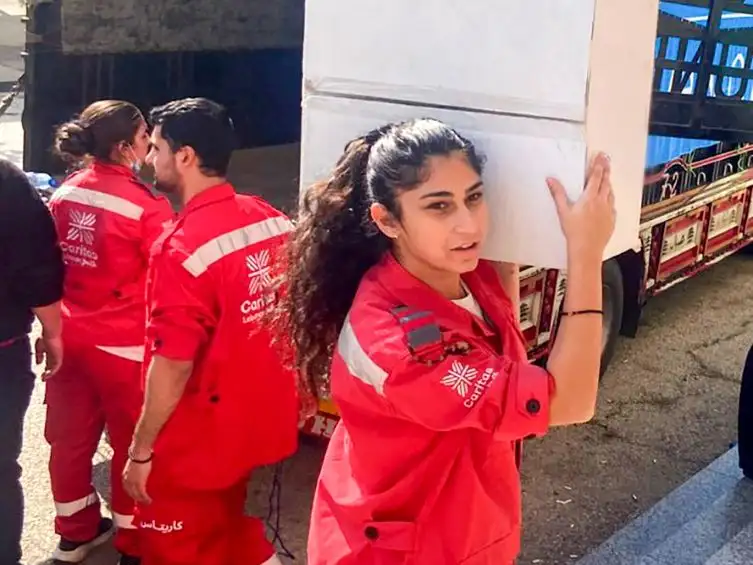
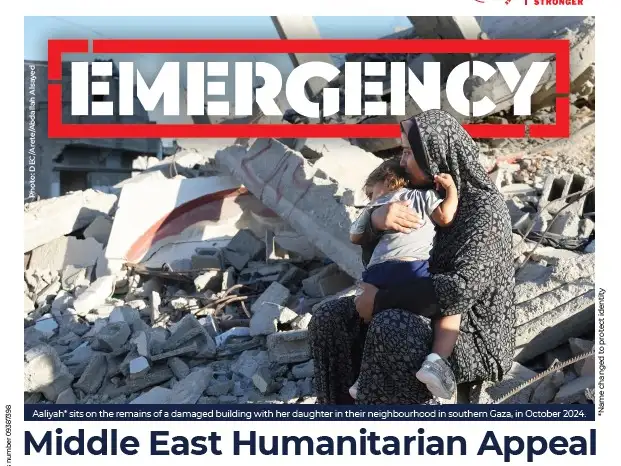
The escalation of conflicts in the occupied Palestinian territory, Lebanon and Syria has left millions of lives devastated. Together, with your support, we are responding to these urgent crises through our dedicated partners, because a better world needs all of us.
Where we work in the Middle East
Why CAFOD works in the Middle East
Long-lasting crises and ongoing conflict continue to devastate our sisters and brothers' lives across the Middle East. Many people facing poverty, injustice and inequality are now also vulnerable to conflict, economic challenges and climate change.
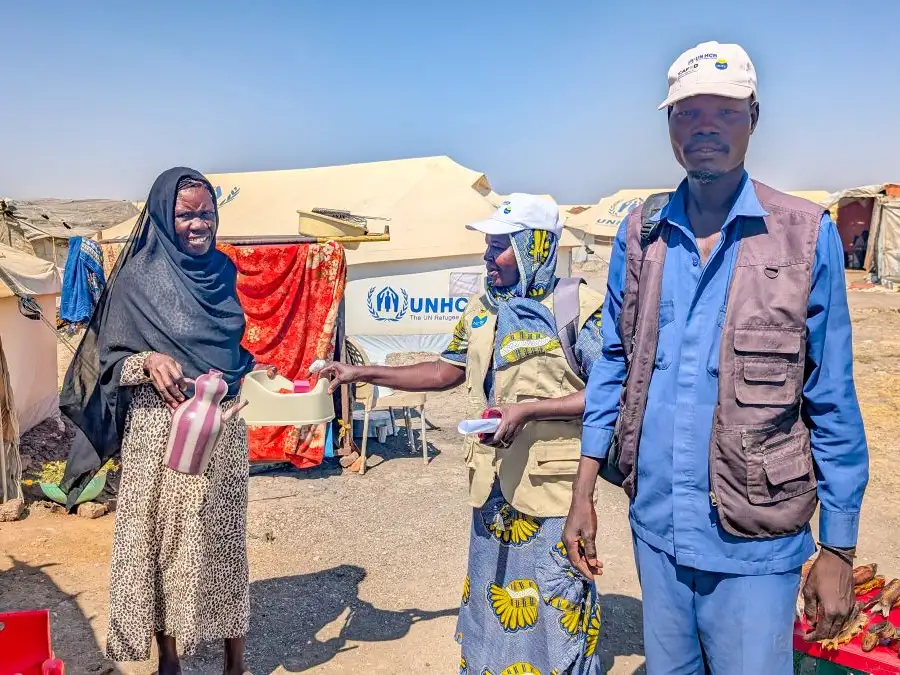
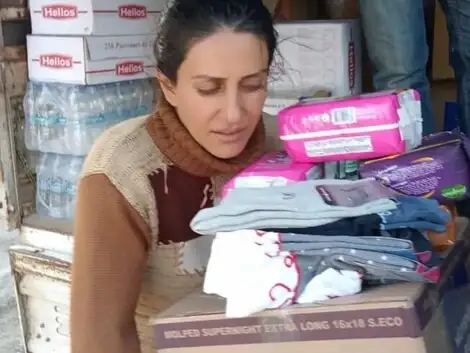
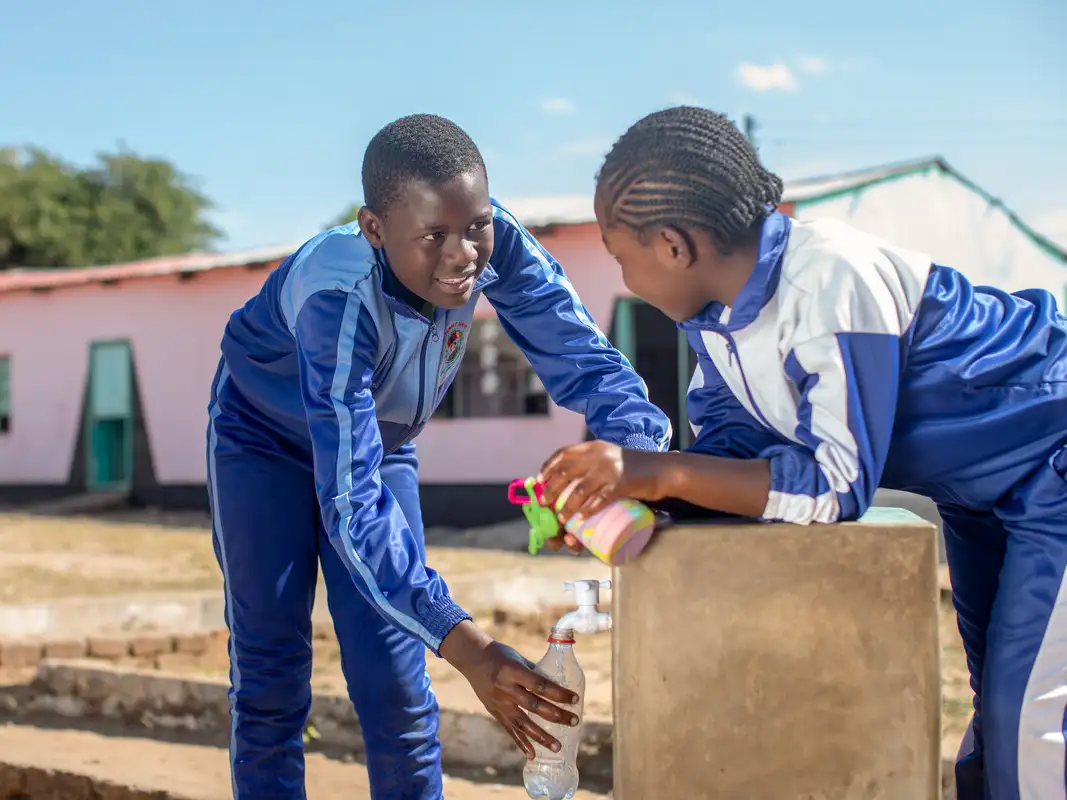
Millions of people have been forced from their homes due to conflict. Sadly, this not only means a lack of shelter but also a lack of food. Severe hunger is being experienced in conflict zones, with child malnutrition rates reaching alarming levels. Many families don’t have safe drinking water or shelter, nor schools or hospitals to attend.
Across the region, women and girls lack important protections against abuse and violence. During conflict across the Middle East, rates of violence against women and girls have risen. Women often have very limited access to education and employment opportunities making them financially dependent. This can make it very difficult for women to escape violent relationships.
Sadly, these challenges are made worse by climate change. Extreme weather such as heat waves, severe storms, droughts, landslides and floods is becoming increasingly common. This can ruin farmers’ crops, destroy homes or shelters, and drive people further into poverty.
A better world needs all of us. That’s why your support matters. With your help, we work closely with our incredible local partners in the region. Our vision is to work together so every one of us can thrive, not just survive.
Our impact in 2024
Local partners across occupied Palestinian territory and Israel have provided legal protection for Palestinians facing house demolitions, land confiscation and violent attacks while campaigning for a long-term solution to reduce violence and human rights violations.
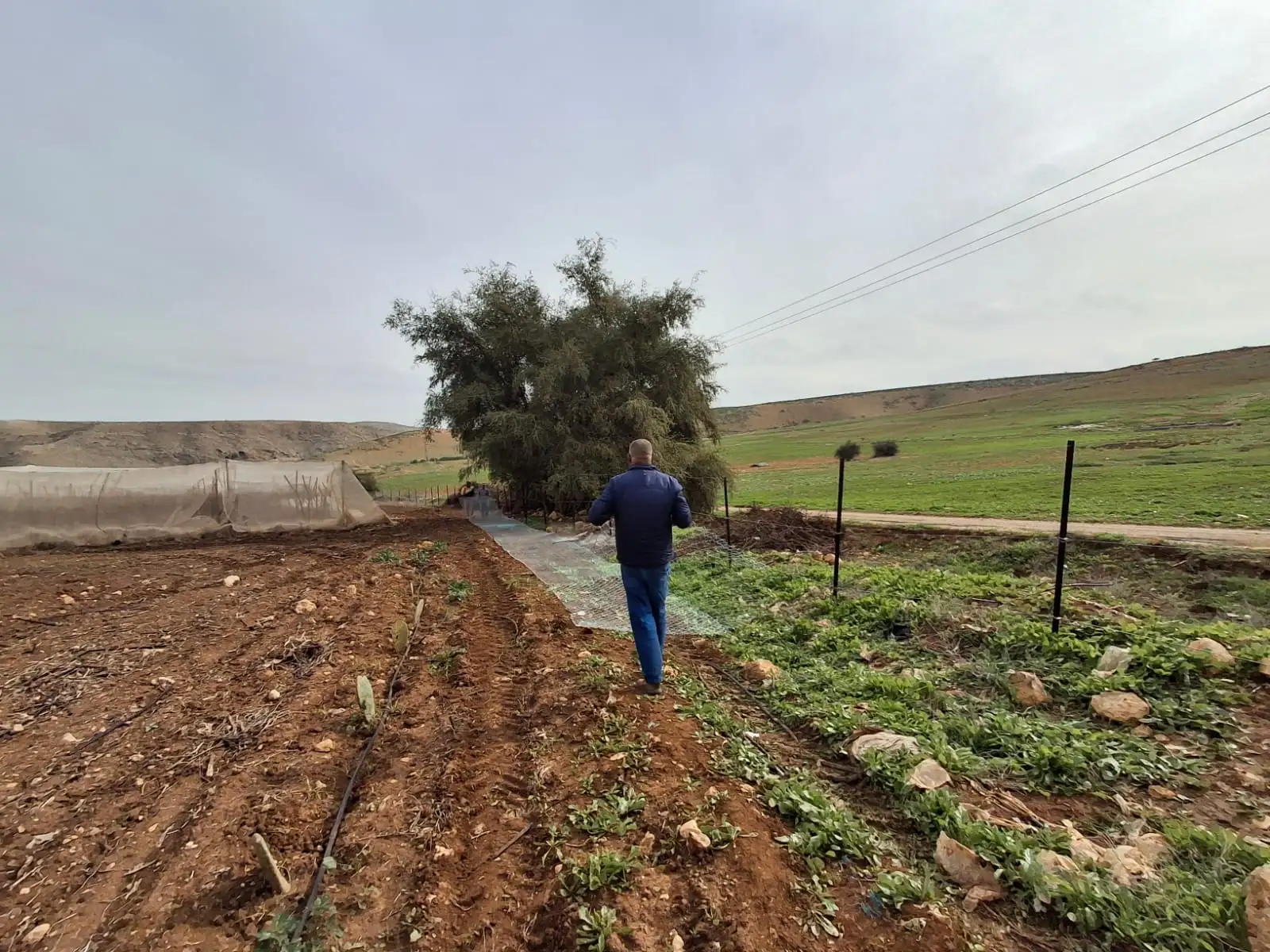
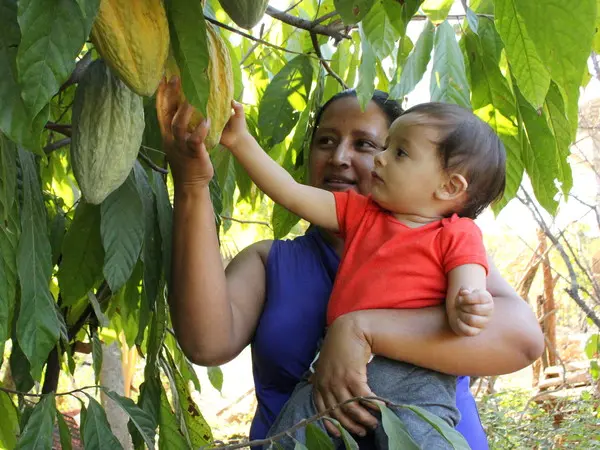
60 people, including small-scale farmers and local partners across five countries in the Middle East and Asia, found solutions to farm while caring for the environment. This includes organic compost and native seeds as well as making changes to support local food production.
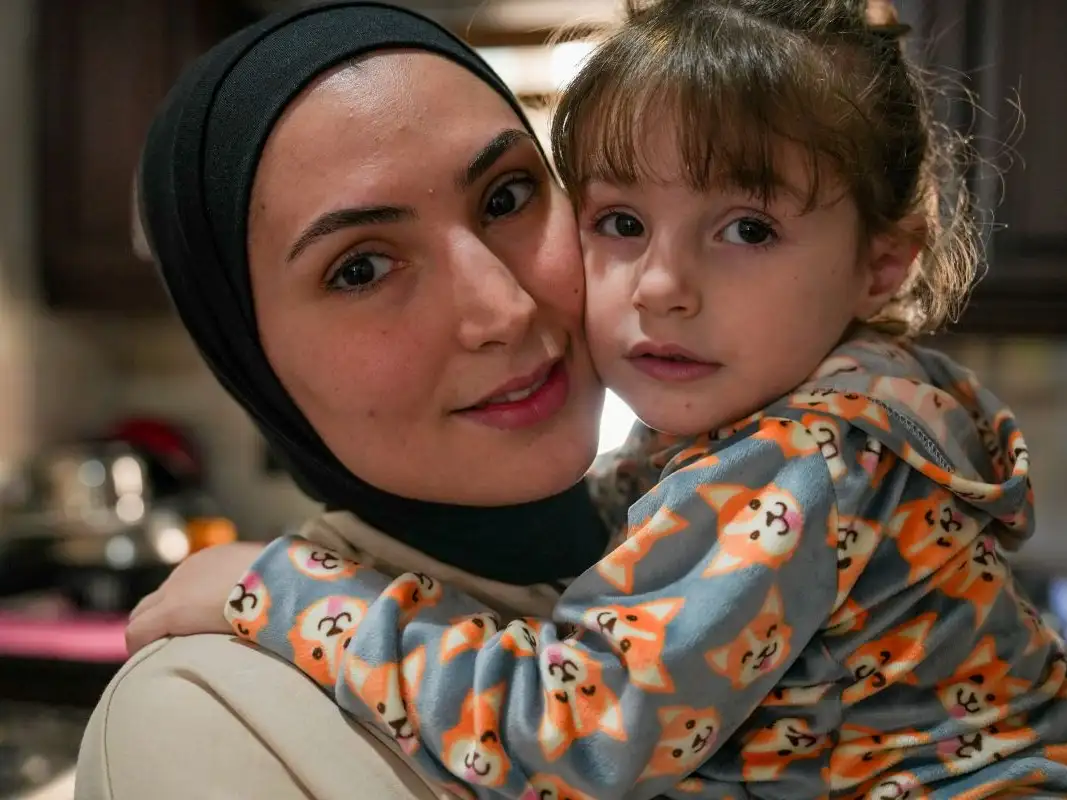
558 women and girls from host and refugee communities were supported in Lebanon, through emergency response and women’s empowerment programmes. This included supporting women with mental health and skills training to strengthen their confidence and gain more control over their lives.
Our priorities in the Middle East
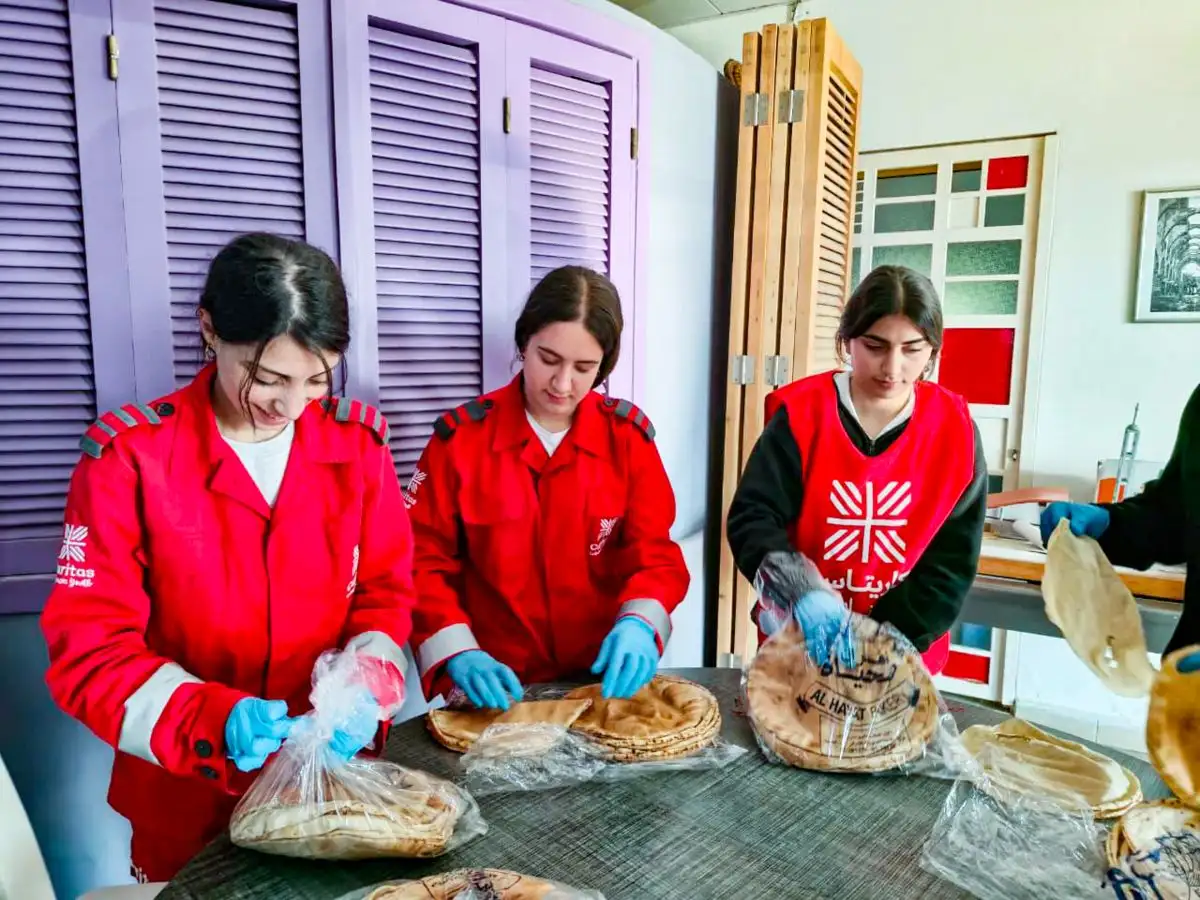
We respond quickly to the conflicts and crises in Gaza, Lebanon and Syria, and the wider region. We provide emergency healthcare, mental health support, safe shelter, life-saving food and more to families forced from their homes by violence.
We work to protect people’s basic rights by speaking up with them to leaders. This supports vulnerable communities so they can live with dignity, free from violence and oppression.
By providing access to properly paid work through providing skills trainings and small grants, we help families escape poverty and gain the resources and skills they need to rebuild their lives.
Our partners help young people and women get involved in their communities so they can create safer, more inclusive places to live.
We support communities and institutions that are working to make peace with justice possible. We support young people to engage actively in society and work confidently to promote freedom of expression and respectful dialogue. These activities help different groups understand each other and work together, creating the conditions for long-lasting peace.
We make sure the voices of our local partners and their communities are heard by those who hold power and influence, both in the UK and internationally. Together we push the UK to demand accountability in situations of injustice and uphold its responsibilities under international law.
We believe that strong local groups and communities are essential for long-lasting change. That’s why we work closely with our partners to help community organisations and communities themselves take the lead in their area.
We are proud to also work with regional Church partners who focus on building peace and protecting human rights.
Middle East Council of Churches (MECC)
We work with our long-term partner, the Middle East Council of Churches, to support dialogue between different Christian groups and between different faiths. This helps promote peace, fairness and the protection of human rights across the region.
Caritas Middle East North Africa (CARITAS MONA)
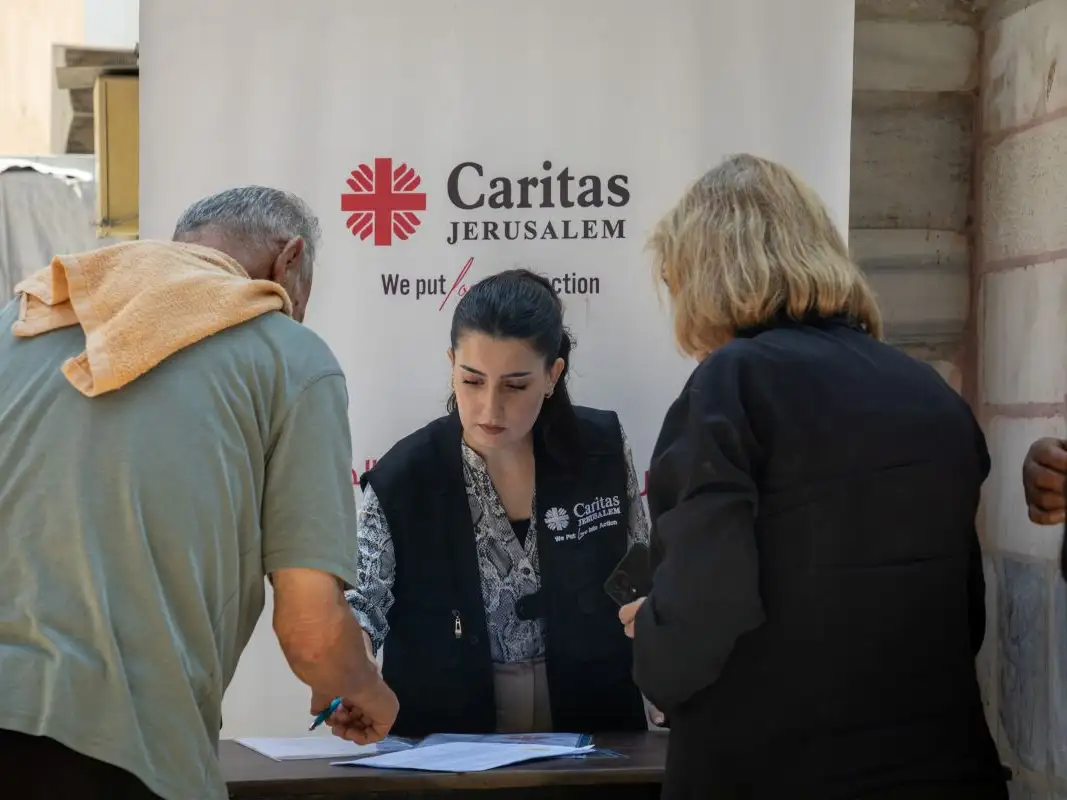
We support our Church partner, Caritas MONA, as they work with 15 Caritas groups across the region. Together, they support women and young people, encourage peace, respond to emergencies, and care for both the environment and people in need.
How you can support our work in the Middle East
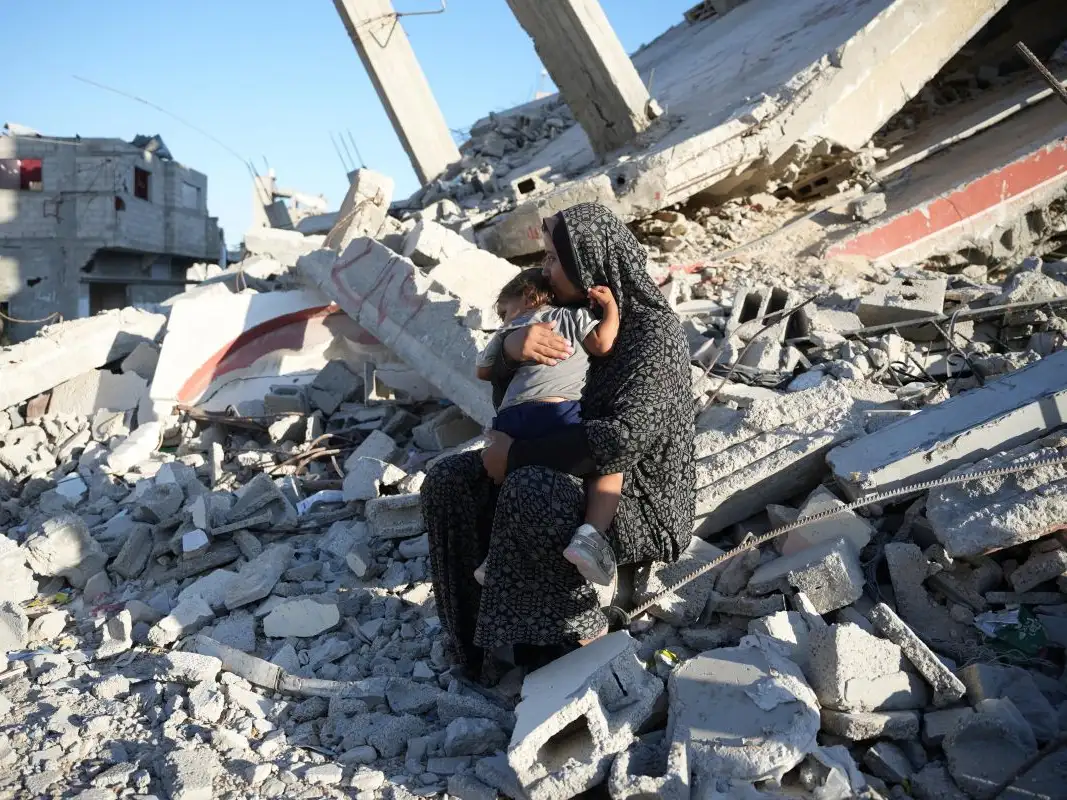
Donate to the Middle East Humanitarian Appeal
Millions have fled their homes in search of safety. They urgently need shelter, food and basic supplies.
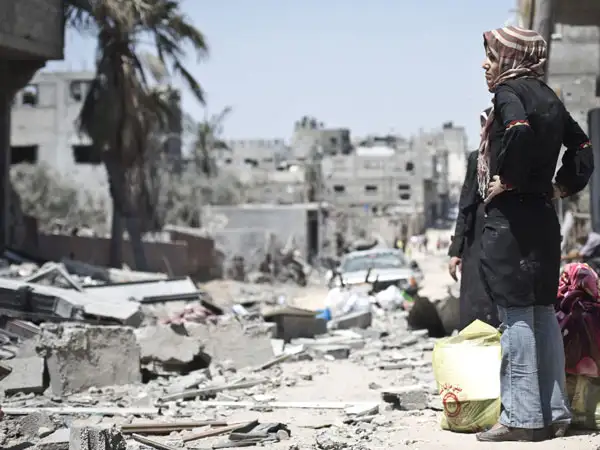
Pray for peace
A prayer seeking God's help for the situation in the Middle East.
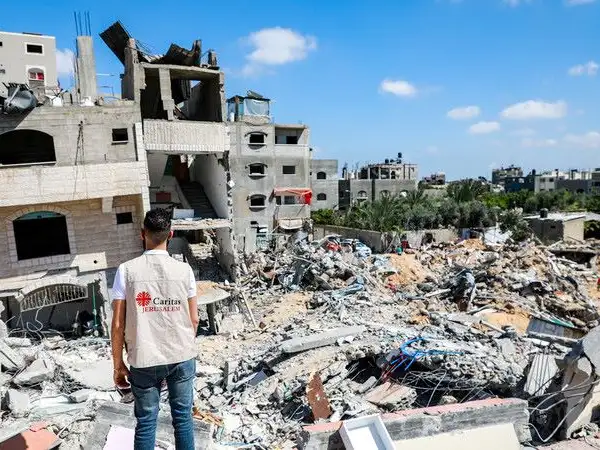
Fundraise in your parish
Find out how your parish can support the Middle East Humanitarian Appeal.
Resources for schools
Find resources to help your school fundraise for the Middle East Humanitarian Appeal.
News from the Middle East

What we do
CAFOD is the official aid agency for the Catholic Church in England and Wales.
With your help, we reach out to people living in hard-to-reach places, in war zones and those who are discriminated against.